AI-generated illustration — not a retailer product photo.
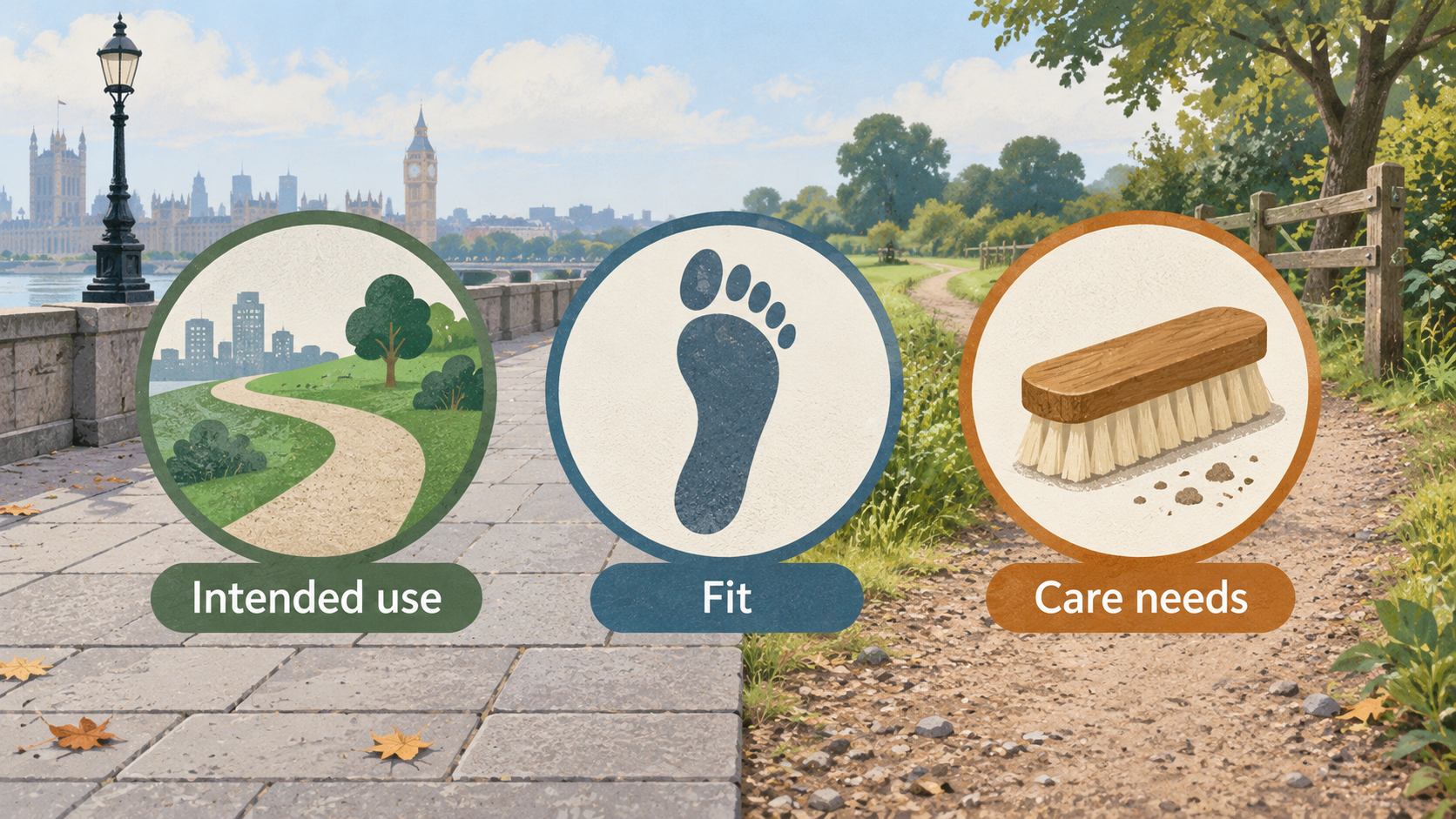
Salomon’s trail-led look has a natural appeal for UK wardrobes that move between commutes, pavements, parks and weekend paths. But the useful question is not whether a technical-looking shoe is automatically right for daily wear. It is whether its intended use, fit and care needs suit your own routine.
This guide uses Salomon’s published UK-facing running, sizing and footwear-care guidance. It does not rely on hands-on testing or make claims about a particular model’s performance. Use it as a practical starting point, then check the details of the specific pair you are considering.
Salomon for Everyday Crossover: What This Review Covers
AI-generated illustration — not a retailer product photo.
A Salomon shoe can make sense in an everyday crossover wardrobe when the practical side of the purchase is considered alongside the visual one. Trail-inspired footwear can look at home with casual trousers, technical outerwear or relaxed weekend clothing, but appearance alone does not tell you how a shoe will feel over a long day, cope with the surfaces you use, or fit your foot.
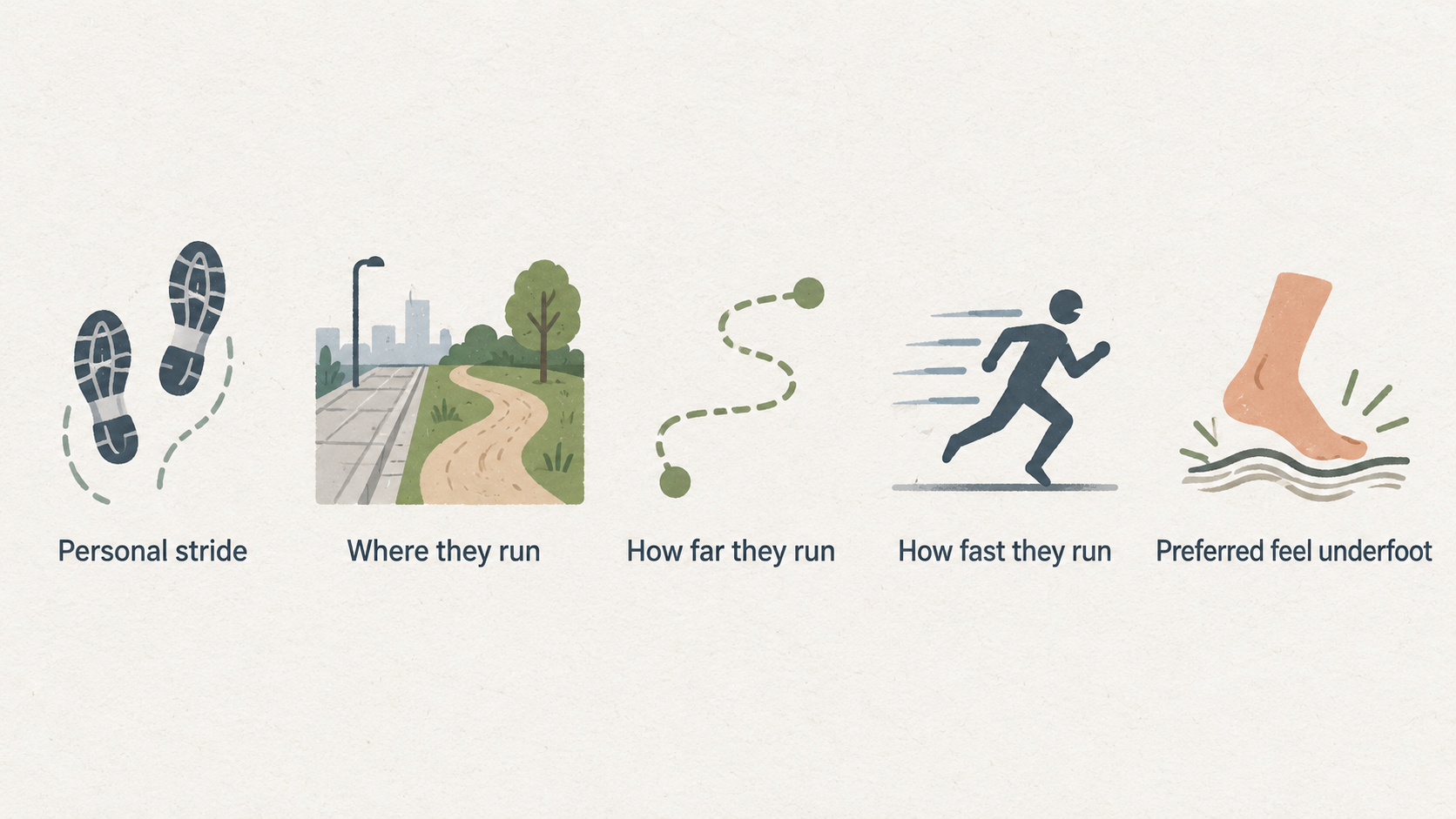
Salomon’s running-shoe guidance frames selection around the way a person runs: personal stride, where they run, how far they run, how fast they run and their preferred feel underfoot. That is running advice, rather than a blanket endorsement for city wear, but it provides a sensible decision framework for anyone considering a technical shoe beyond its original context. A road-heavy commute, a short walk through a muddy park and a regular mixed-surface routine can place different demands on footwear.
For an everyday purchase, the key evaluation lenses are fit, intended use, materials, care and the value you expect over time. This is not a racing-shoe review, a medical assessment or a durability test. It is a guide to asking better questions before ordering: where will you use the pair most, which features matter to you, and are you prepared to look after the materials as the brand recommends?
Fit First: Choosing a Pair for Your Routine
AI-generated illustration — not a retailer product photo.
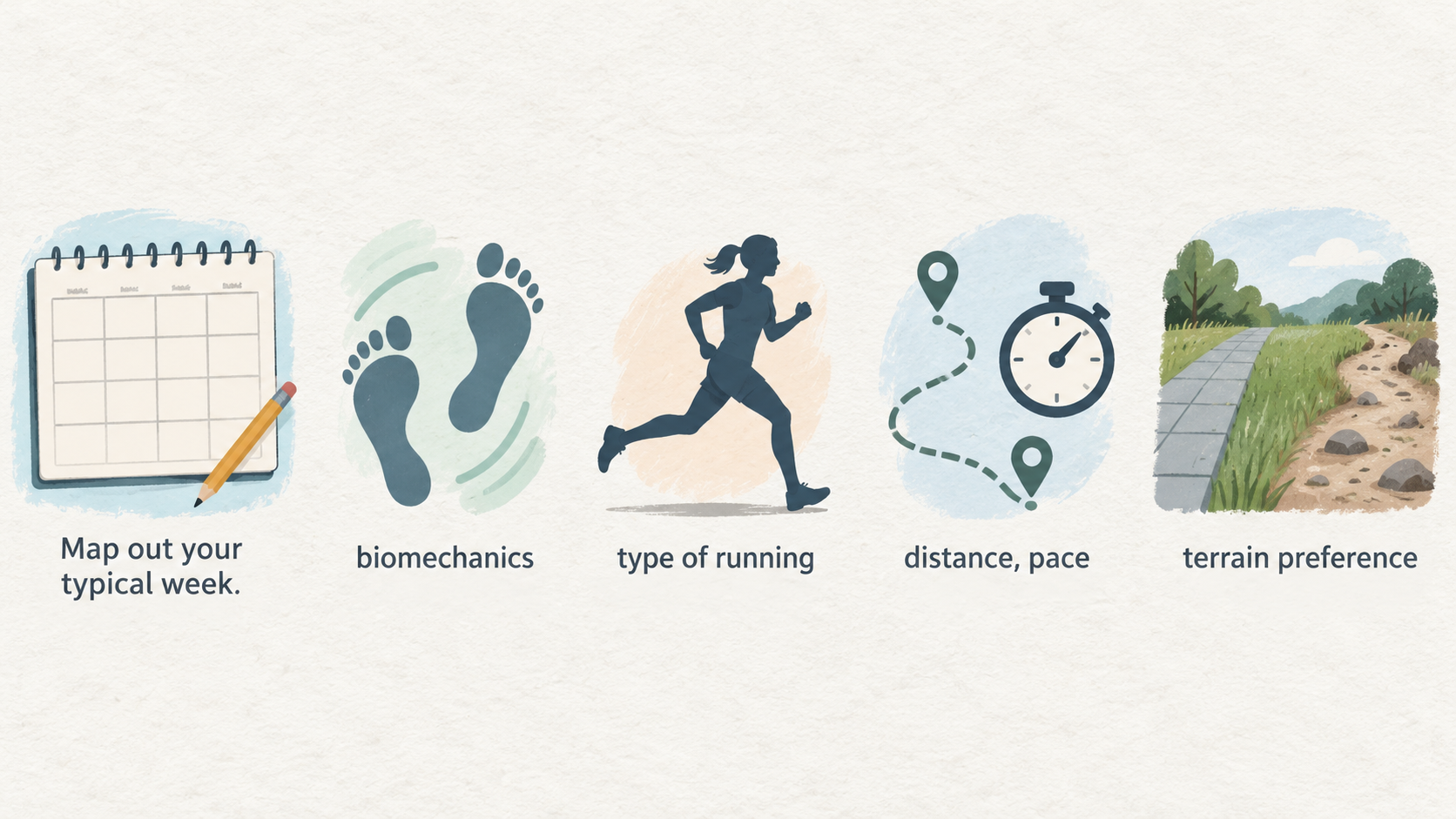
Start with the routine, not the colourway. Salomon’s guide says that the most important starting point is finding shoes designed for the way you run, taking account of biomechanics, the type of running you do, distance, pace and terrain preference. Even if your main aim is everyday wear, this is a helpful reminder that a trail-oriented silhouette is not a single, interchangeable category.
Map out your typical week. Someone mainly walking on dry pavements may prioritise a different balance of cushioning, flexibility and weight from someone who regularly crosses wet grass, uneven paths or mixed urban trails. If you intend to run in the shoes as well, be more deliberate: note the surface, usual distance and pace, then compare the product’s stated purpose with those needs. If the pair is primarily for casual wear, comfort over the hours you actually spend on your feet remains the deciding factor.
Fit deserves the same attention. Salomon’s UK size guide is intended to help online shoppers compare measurements and size conversions before choosing. Use it before ordering rather than assuming your usual size will translate exactly across brands or categories. Measure both feet when practical, compare your measurement with the official chart, and leave enough time to assess the fit indoors on a clean surface if the retailer’s terms allow.
When comparing options, look beyond length. Salomon’s published running guide highlights heel-to-forefoot drop, cushioning, flexibility, shoe weight, waterproof or breathable construction, and the lacing system as relevant features. These are prompts for comparison, not a universal checklist where more of every feature is better. A higher or lower drop, a more protective upper, or a firmer-feeling sole may suit one person’s intended use and feel less appropriate for another.
Pay attention to heel hold, room around the forefoot and whether the lacing system lets you make small adjustments without pressure points. Try the shoes with the socks you expect to wear most often. If you are purchasing for running and have persistent pain or recurring injuries, Salomon’s guide advises seeking assessment from a sports medicine specialist rather than treating a new shoe as a guaranteed solution.
Where Salomon Can Make Sense
AI-generated illustration — not a retailer product photo.
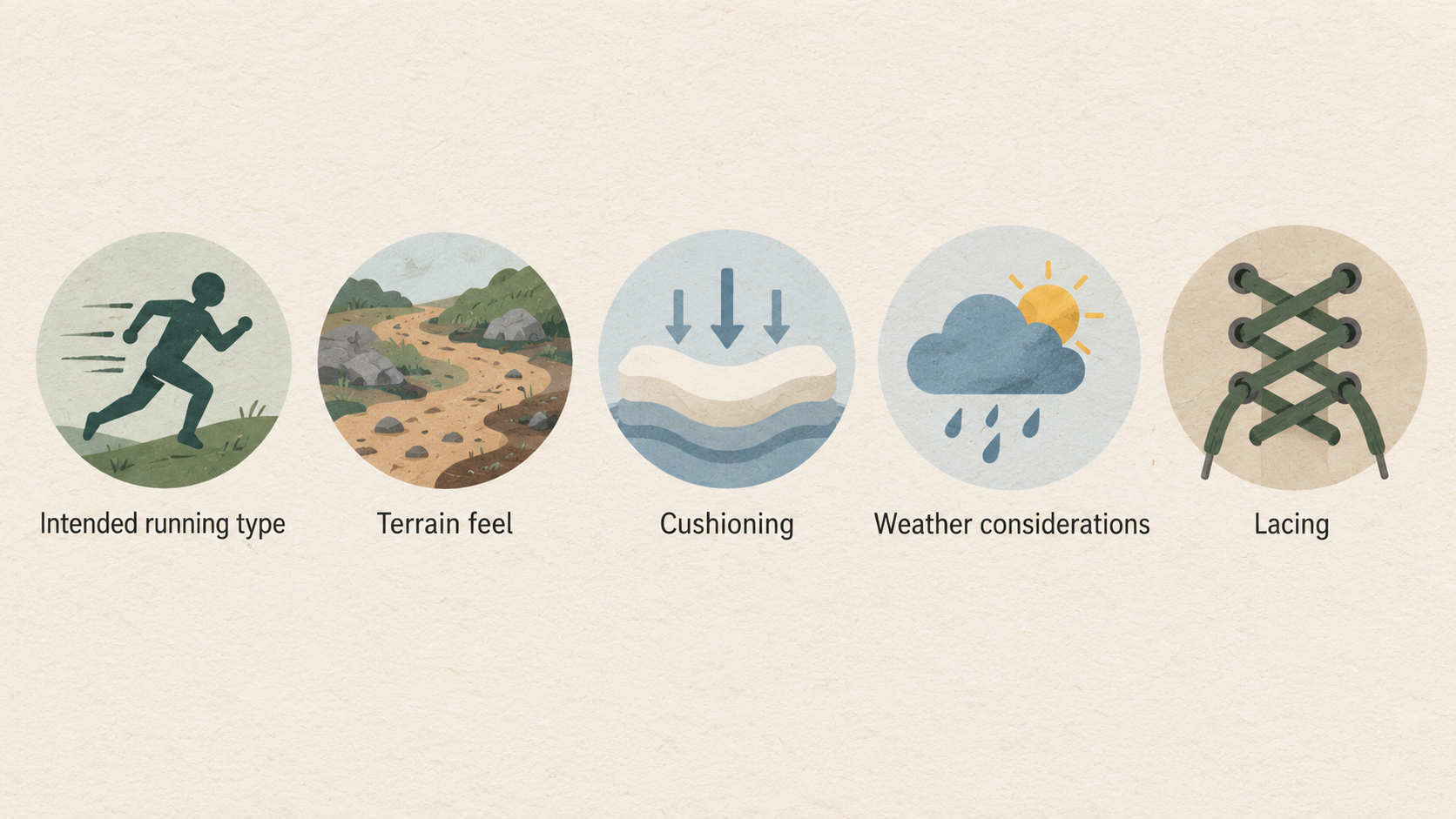
Salomon is worth considering when you are drawn to trail-inspired styling but also want to evaluate the practical features behind it. Its published running guidance gives shoppers a clear set of factors to investigate: intended running type, terrain feel, drop, cushioning, flexibility, weight, weather considerations and lacing. That can be more useful than choosing solely by the visible shape of the shoe.
For a wardrobe that includes city walking and occasional outdoor use, this approach can help narrow the field. A reader who encounters varied surfaces may value a pair whose stated design purpose matches some of those conditions; a reader who stays almost entirely on smooth pavements may decide that a more road-focused or lifestyle-focused option is simpler. Neither conclusion is a verdict on the brand. It is a match between the product information and the routine.
The brand’s care guidance is another reason to assess the purchase as an ownership decision rather than a one-day style choice. Cleaning textiles regularly, treating leather appropriately and replacing worn laces where needed all form part of keeping footwear in good condition. That commitment may suit shoppers who value considered maintenance and may be less attractive to those wanting a completely hands-off shoe-care routine.
Everyday Trade-Offs to Consider
Trail-oriented footwear should not be treated as an all-day default simply because it looks versatile. Salomon’s own guidance makes clear that shoe choice is linked to the way you run, including terrain, distance, pace, stride and personal preferences. That means the right fit for one routine may be a less convincing fit for another.
A more weather-conscious construction can be useful in wet conditions, but you should still decide whether waterproofness, breathability or neither is most relevant to your usual use. Likewise, cushioning, flexibility, drop and weight are features to compare in context rather than labels that automatically indicate comfort. A shoe can be technically interesting and still be the wrong shape, feel or level of support for your foot and day-to-day schedule.
Maintenance is also a real trade-off. Mud, dust and damp conditions can ask more of an owner than occasional dry pavement use. Leather can require treatment; textile uppers benefit from regular cleaning; linings need periodic attention. If you are unwilling to follow those routines, factor that into the value calculation before buying.
Finally, avoid turning product research into a promise. Published guidance can help you understand a shoe’s intended features, but it cannot confirm that a particular pair will be comfortable for every person, prevent injury or deliver a fixed lifespan. Check the individual product page, size guidance and retailer’s current return terms before committing.
Care, Materials and Lasting Value
Salomon recommends removing dirt and mud after use with a soft, wet brush and clean water. This is a straightforward habit for anyone using footwear on mixed surfaces: deal with debris before it dries into the upper, sole or midsole, rather than waiting for a deep-cleaning session.
The brand also says shoes should not be cleaned in a washing machine. Dry them at room temperature, without an external heat source or direct sun. That is especially relevant after wet-weather walks: rushing the drying process may be tempting, but Salomon’s published care instructions point to slower, room-temperature drying instead.
Material type changes the routine. For leather and leather-lined products, Salomon recommends a cream- or water-based wax treatment, such as Nikwax, to help address natural ageing such as cracking, stiffening and reduced waterproofness. The brand notes that treatment may alter the original appearance of leather even though it should not affect its stated performance or properties. If the exact finish matters to you, test any treatment carefully and follow the product guidance.
For textile and fabric components, Salomon recommends regular cleaning using the same general approach. It notes that reinforcement areas in high-abrasion zones may change in appearance over time; appearance change alone is not presented as a loss of the shoe’s performance or properties. Treat that as a useful expectation-setting point, not as a promise that every pair will age in the same way.
The lining should be cleaned periodically to limit odour build-up, and Salomon recommends wearing socks to help keep it durable and odour-free. The brand says its sock liners can be machine washed in warm water and replaced when necessary. Laces can also become damaged over time and should be replaced when needed. Keeping cushioned midsoles clear of dirt and mud is part of the same practical routine.
None of these steps guarantee a particular lifespan. They do, however, make the care commitment visible before purchase. If you are happy to brush off mud, dry footwear patiently, clean materials regularly and replace small worn parts, that is part of the lasting-value case for a technical everyday pair.
Frequently Asked Questions
How should I use Salomon’s size guide before ordering online?
Use Salomon’s official UK size guide to compare your measurements with its size and conversion information before you order. Do not assume that a familiar size in another brand will fit the same way. Once the pair arrives, assess length, heel hold, forefoot room and the lacing adjustment with the socks you expect to wear. Check the retailer’s current return conditions before wearing the shoes outdoors.
Can trail-oriented Salomon shoes work for everyday city wear?
They can be worth considering for everyday use, but the answer depends on the individual pair and your routine. Salomon’s running guidance links shoe choice to terrain, distance, pace, stride and personal preference. For city wear, compare the shoe’s intended use with your most common surfaces, the amount of time you will spend walking, your weather needs and how the fit feels. Trail-inspired styling alone is not enough to establish suitability.
Should Salomon shoes be washed in a washing machine?
No. Salomon’s footwear-care guidance says shoes should never be cleaned in a washing machine. Remove dirt and mud with a soft, wet brush and clean water, then let the shoes dry at room temperature without external heat or sun. Salomon separately says its sock liners can be machine washed in warm water, so distinguish removable sock liners from the shoes themselves.
How should leather, textile and lining materials be cared for?
Clean textile and fabric materials regularly using Salomon’s general cleaning approach. For leather and leather-lined products, Salomon recommends a cream- or water-based wax treatment; bear in mind that this may change the leather’s original appearance. Clean linings periodically, wear socks to help manage odour and durability, and replace sock liners or laces when they become worn or need replacing.
Sources
Related reading
- Best technical streetwear staples for UK everyday wear: jackets, layers, and trail shoes
- Carhartt WIP review: jacket fit, utility, care, and UK returns
- How to choose streetwear jackets and trail shoes for fit, layering, and daily use
- How streetwear and technical apparel should fit, feel, and hold up over time
Editorial information: About our editorial team · Read our editorial policy · Read our affiliate disclosure.